The vat sits low, under a wooden lid. Lift it, and the surface is a metallic purple, like the skin of a plum. This is not a dye in the ordinary sense. It is a living bath: composted indigo leaves, wood-ash lye, and a fermentation the dyer tends the way someone else might tend a stove.
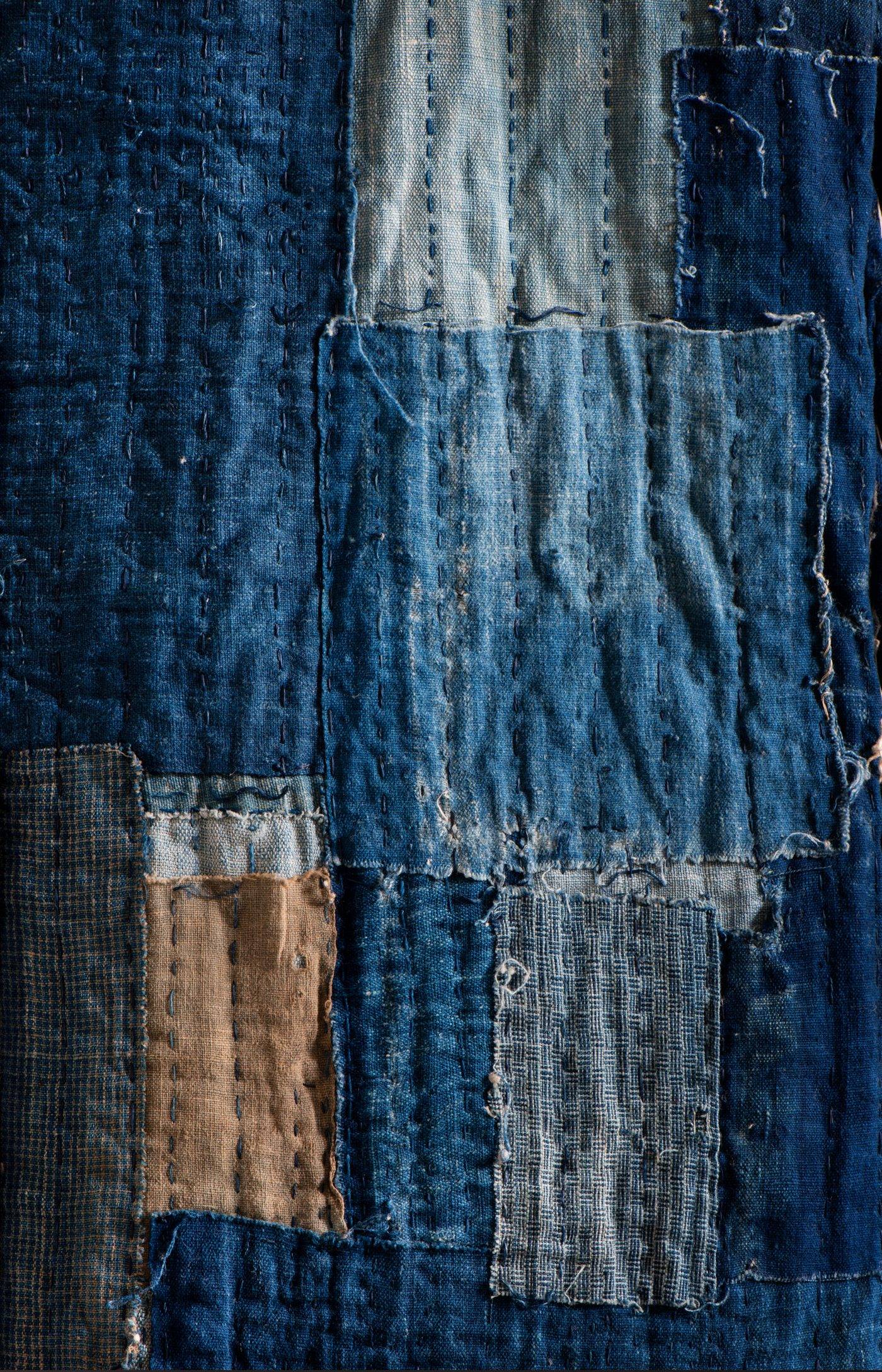
Cloth enters the liquid and comes out a yellow-green that looks, for a minute, like a mistake. Hung in the alley, it drinks the air and turns blue. Dip, oxidise, dip again. A pale sky takes six passes. A night-colour takes twenty, and a day of patience.
In this sample, the dyer learned the vat from a teacher in Tokushima and then brought the practice to Tokyo. Not as a performance for visitors, but as daily work. The orders are small. A noren for a soba shop. A length of cloth for a tailor who still wants new indigo to mark the hands a little, the way it should.
Everything in the three paragraphs above is invented for this sample page. Please do not treat the lane, the soba shop, or the dyer as real.
Depth is repetition, not a stronger pot of pigment.
A sample line, written for this page. Not a quotation from a real maker.
The process, in general
These are widely shared notes on Japanese indigo, so a reader can follow the story. They are not a private method, and they are not instructions for starting a vat.
- Grow, then let it rest
Japanese indigo, tade-ai, is harvested, dried, and piled until it becomes sukumo, the compost that feeds the vat.
- Keep the vat alive
Sukumo is fermented with wood-ash lye and a little wheat bran. The bath is warm, and it can stall. Tending it is part of the craft.
- Dip, then meet the air
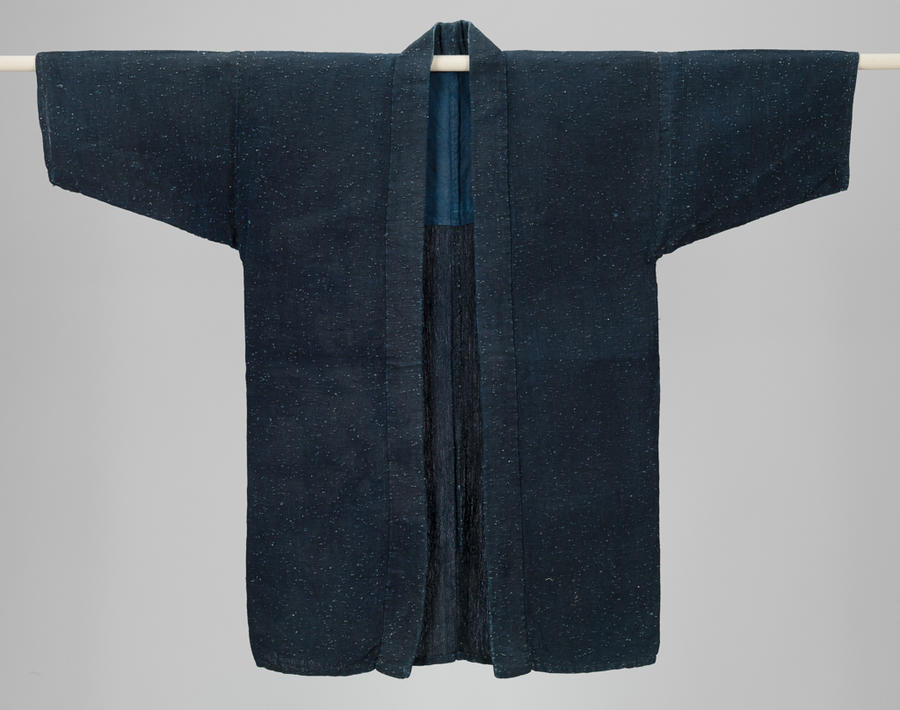
Cloth takes the reduced indigo and looks green. Oxygen turns it blue. Depth comes from repetition.