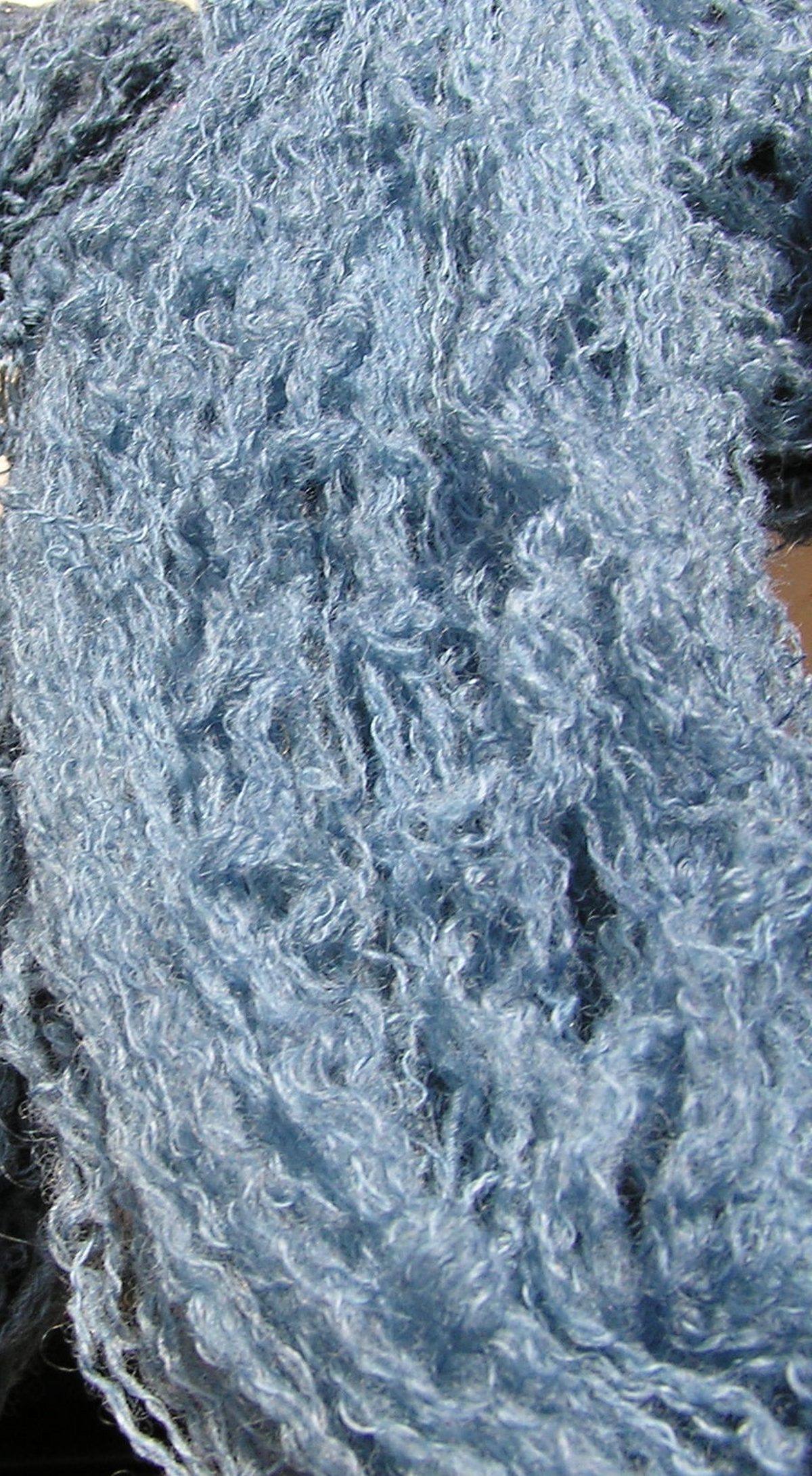
Sample feature · Indigo
The colour that takes its time
A composite Tokyo workshop, written so the profile form is visible. It does not portray a real, named maker.
Read the sampleTokyo and Sydney · Journal and studio partner
Next Chapter Japan publishes careful stories about Tokyo’s craftspeople, artists and small workshops for English-speaking readers. Alongside the journal, we help makers be understood in their own voice: English storytelling, translation, and a way to reach people who do not read Japanese.
藍
01 — The journal
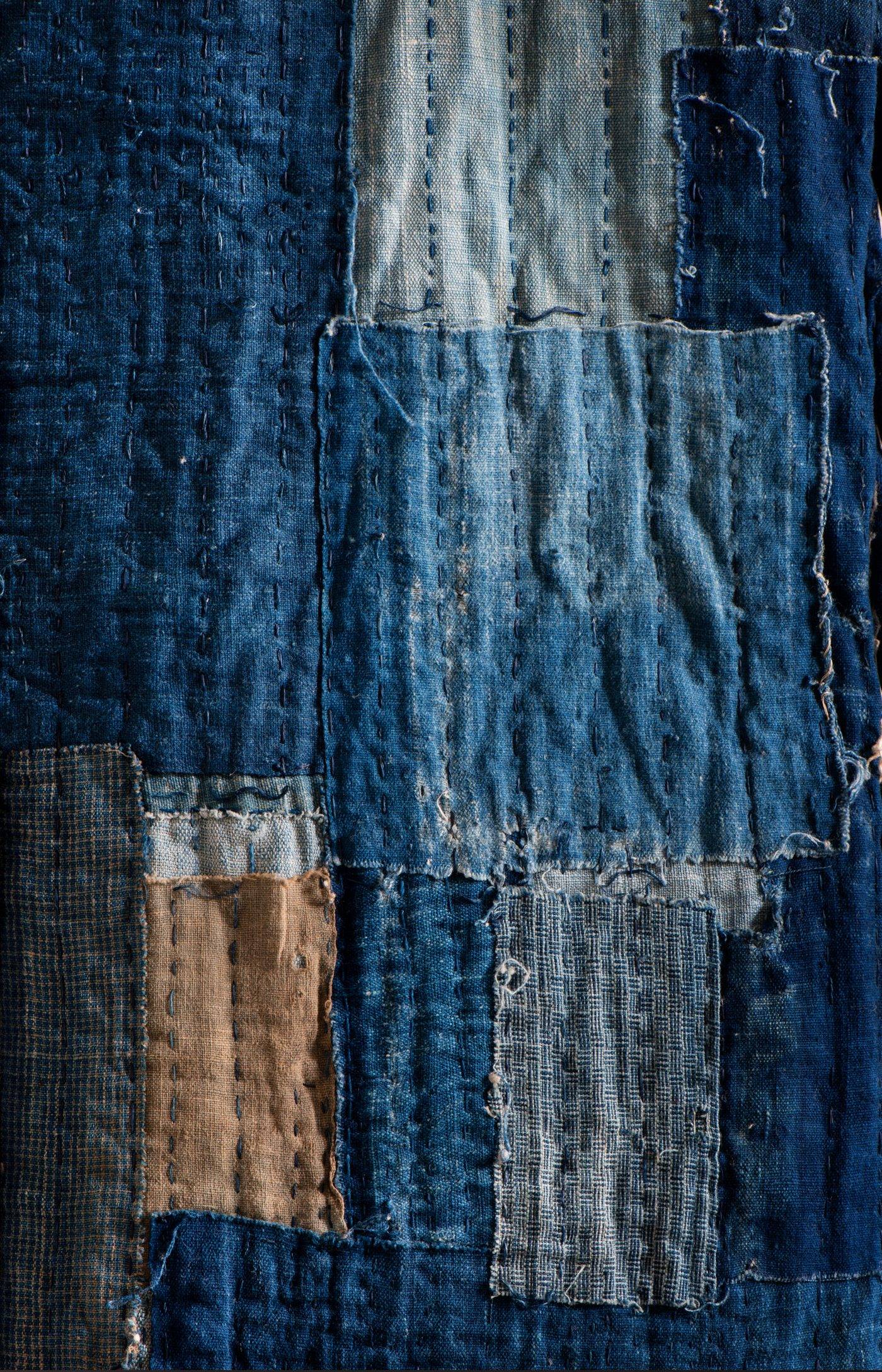
Materials, gesture, and place, written for readers who are willing to slow down. One sample feature is here so you can see the form. The other two images are references for stories that have not been reported yet. No living maker is invented.
Sample feature · Indigo
A composite Tokyo workshop, written so the profile form is visible. It does not portray a real, named maker.
Read the sample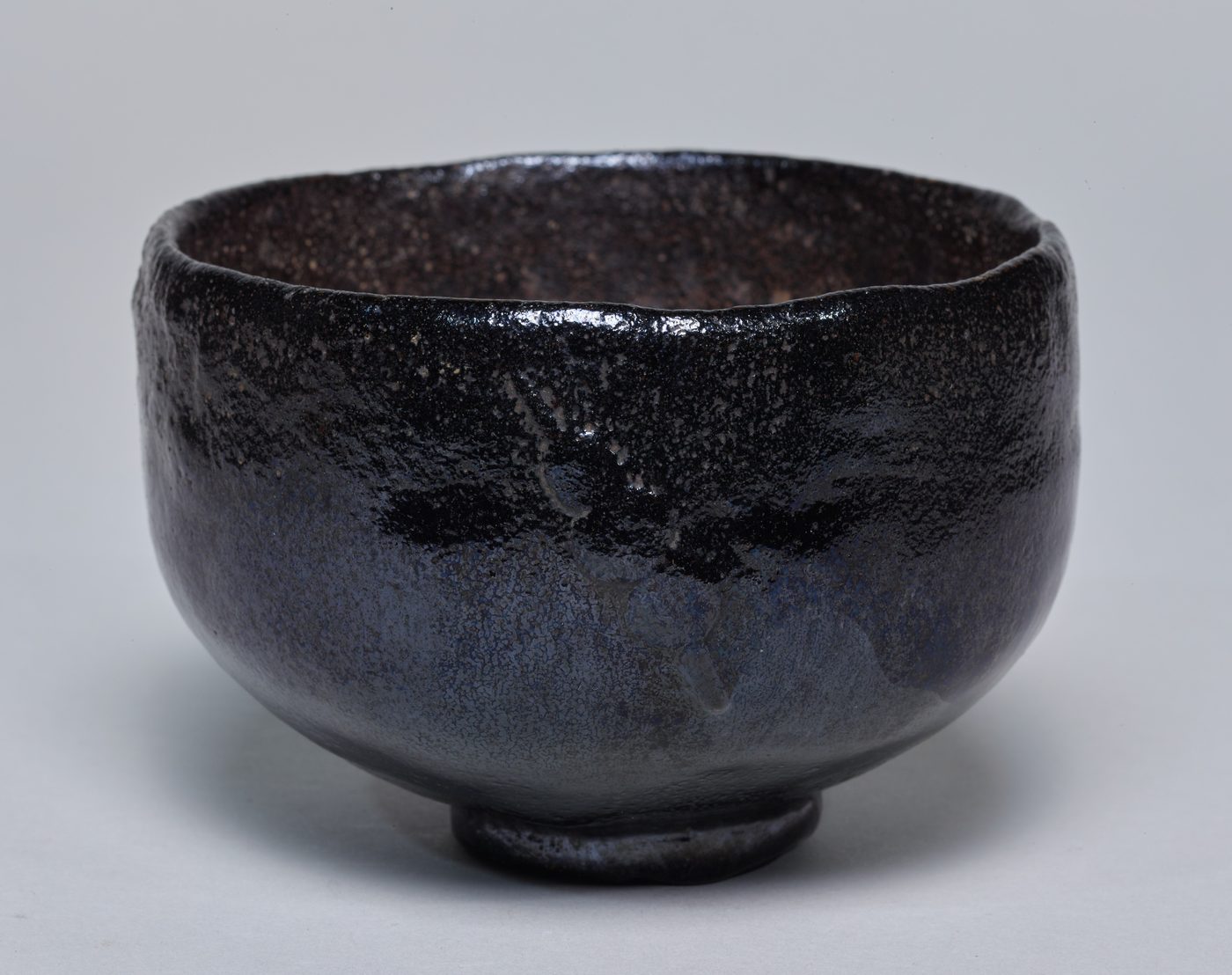
Forthcoming · Reference only
A black Raku tea bowl, eighteenth century, Tokyo National Museum. The ceramics profile will wait for a living studio who wants to be written about.
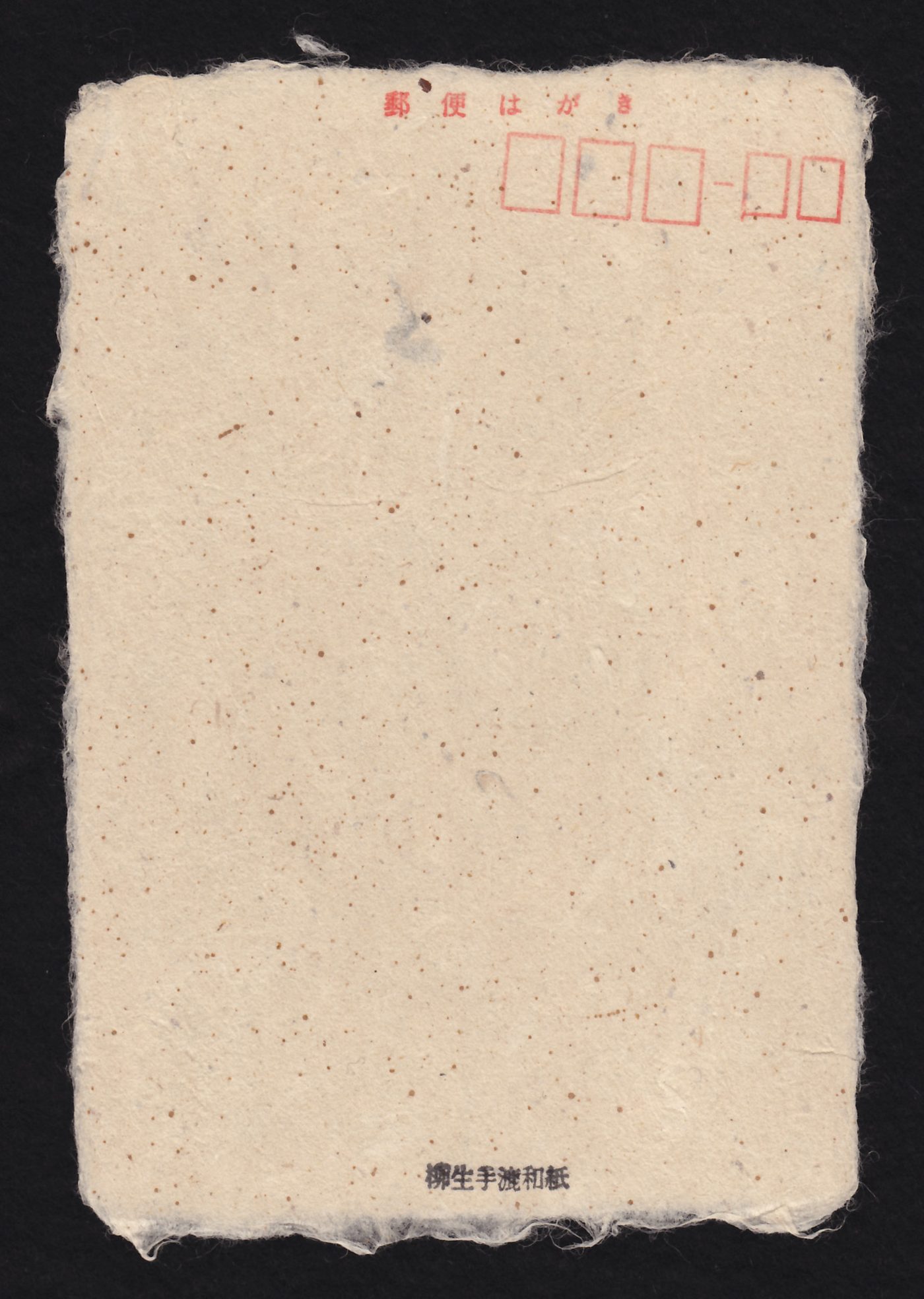
Forthcoming · Reference only
A postcard of Yagyū washi, from Sendai. Shown as a reference. A papermaker’s story will follow a real visit, not a guess.
02 — For makers
If you make work in Japan and want English-speaking readers to understand it properly, this is the partnership. The Japanese edition of this page is written for you first. Write to us in Japanese.
01
A magazine profile of the workshop, the process, and your own words. Nothing is published until you have read it and agreed.
02
Japanese and English are written as a pair, not poured from one into the other. The tone you use with customers and apprentices is the tone we protect.
03
The journal is the front door. With it, we help shape introductions for editors, shops, and audiences who do not read Japanese.
03 — How it works
There is no retainer to decode and no campaign to perform. The work is a conversation, a text, and then the practical things that follow a story.
01
A conversation in Japanese about the work, the workshop, and what you do not want said.
02
A Japanese text and an English text. Photographs if you want them. You read both before anyone else does.
03
The profile lives in the journal, for readers who are curious and not in a rush.
04
A new page, a caption, a letter to a stockist. The relationship does not end when the article goes up.
04 — The founder
Founder, Next Chapter Japan
Next Chapter Japan is founder-led by Sachi Coxon, a bilingual Japanese–English communications and localisation specialist based between Sydney and Tokyo.
The two cities are the point. Close enough to the workshop to listen properly, and fluent in the habits of English-language editing, so a story can cross without being flattened.
05 — Contact
Makers, write in Japanese if that is easier. Readers and editors are welcome in English. This preview keeps the note on the page only. It does not send email yet.
Placeholder address
The .example address is a placeholder for this preview. It is not a working inbox. A real address will replace it before launch.